Where Every Story Begins
Place
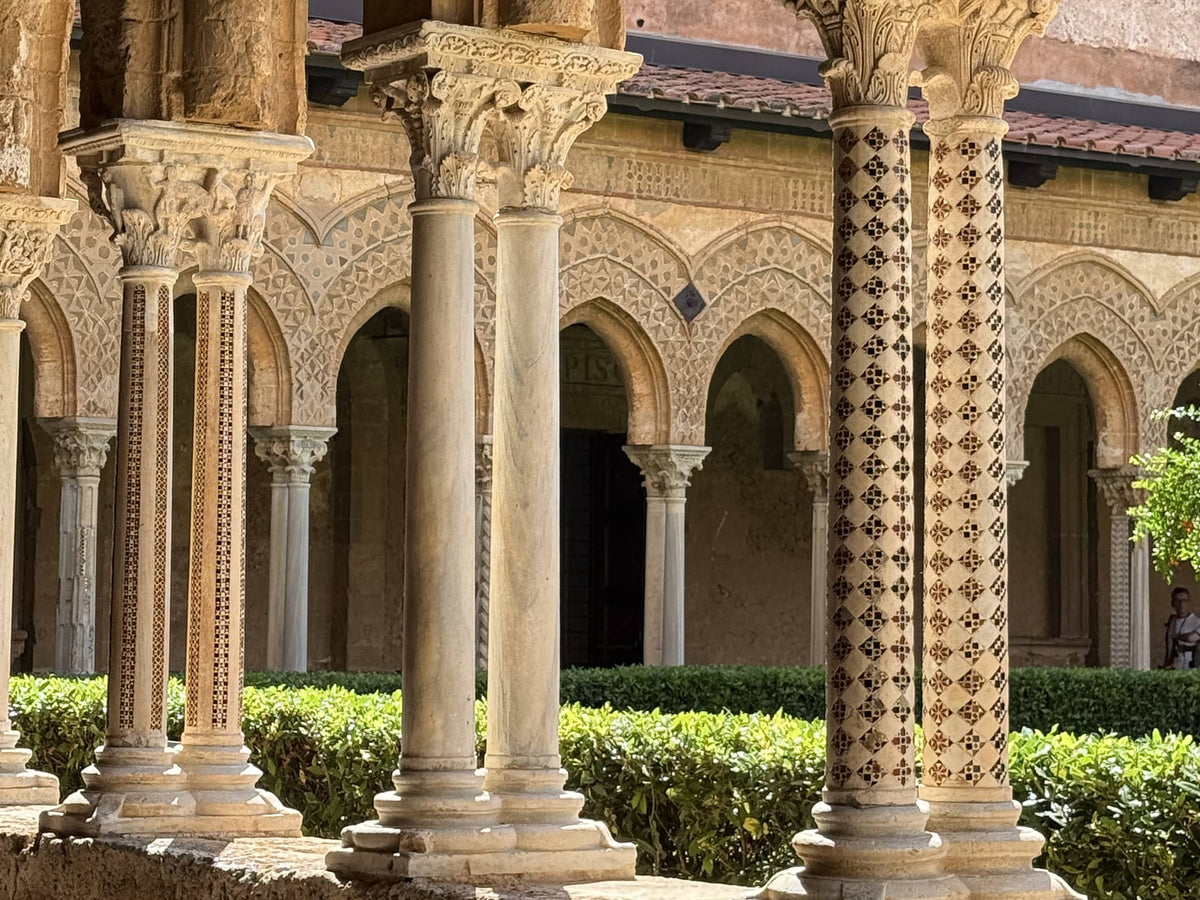
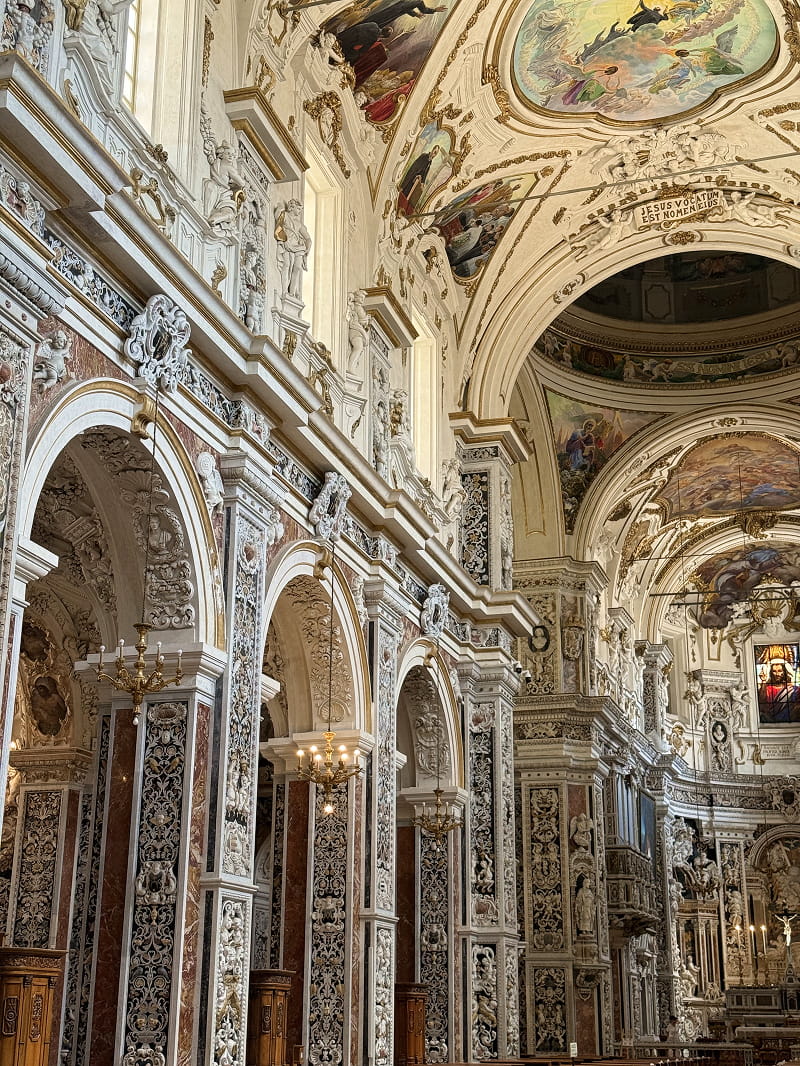
Sicily's beauty is layered and enduring, shaped by six civilizations across three thousand years, each leaving something behind.
Artisan
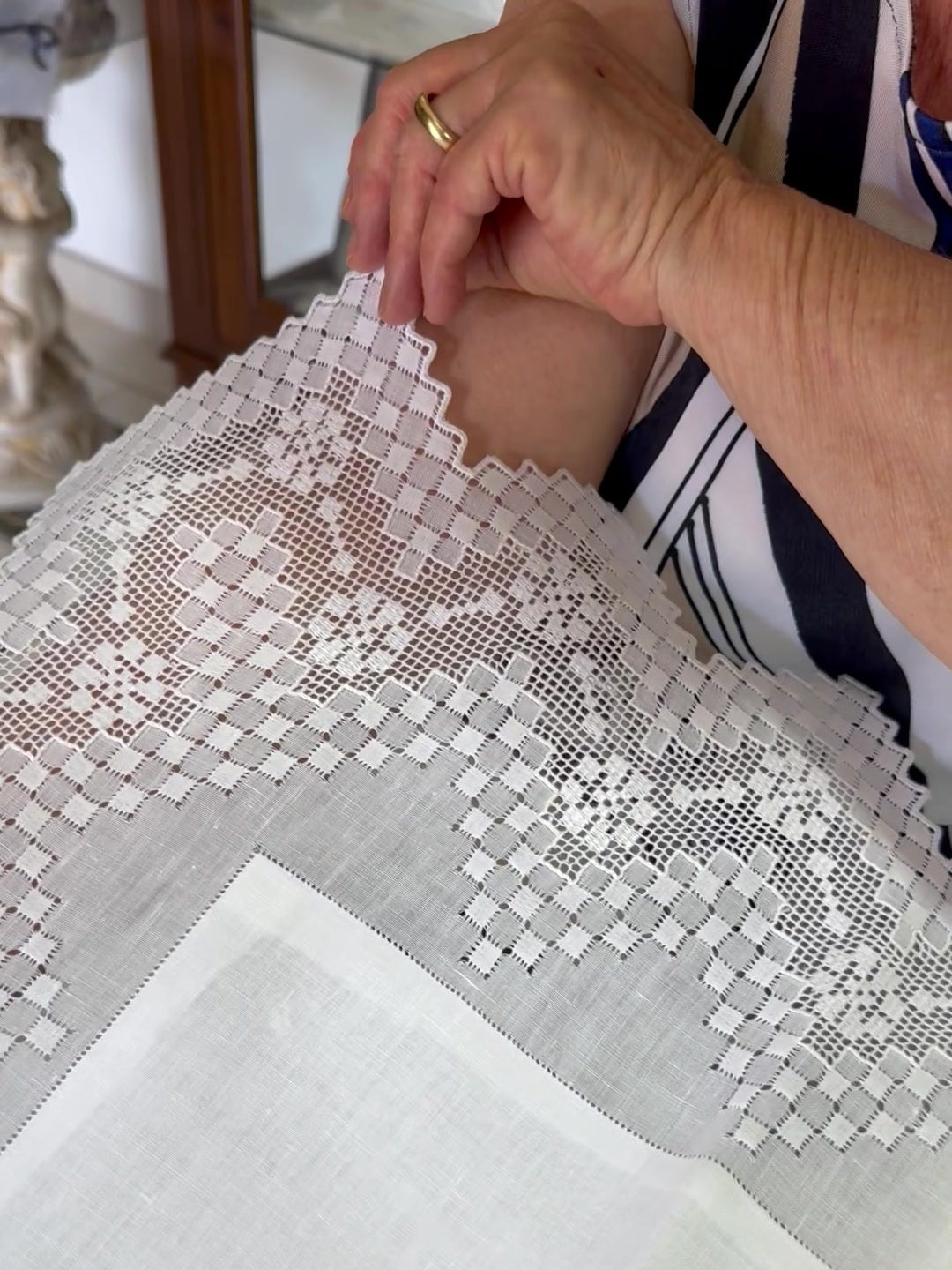
The artisan brings knowledge, instinct, and imagination to every piece, skill passed hand to hand, each generation adding something new.
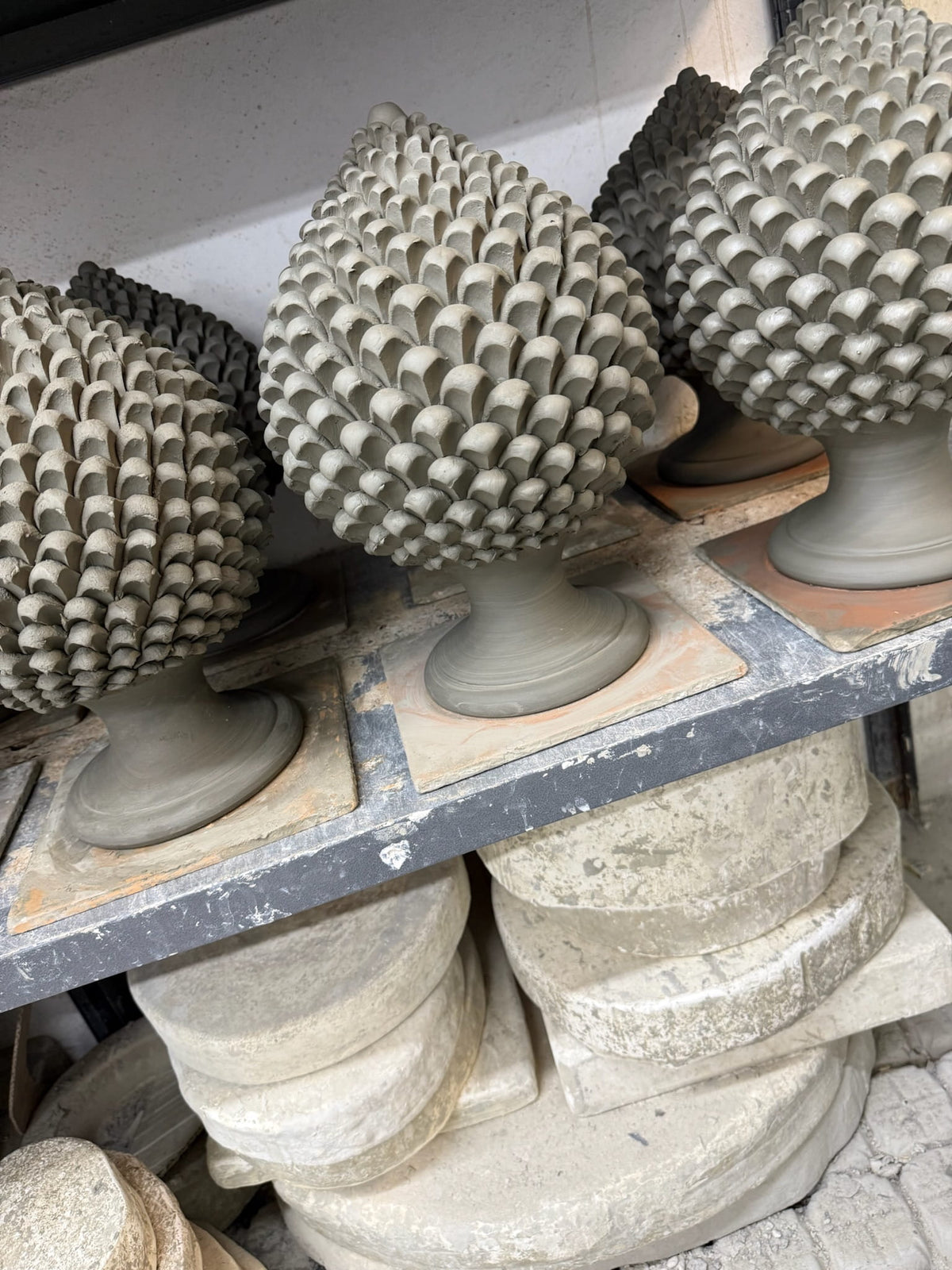
Object
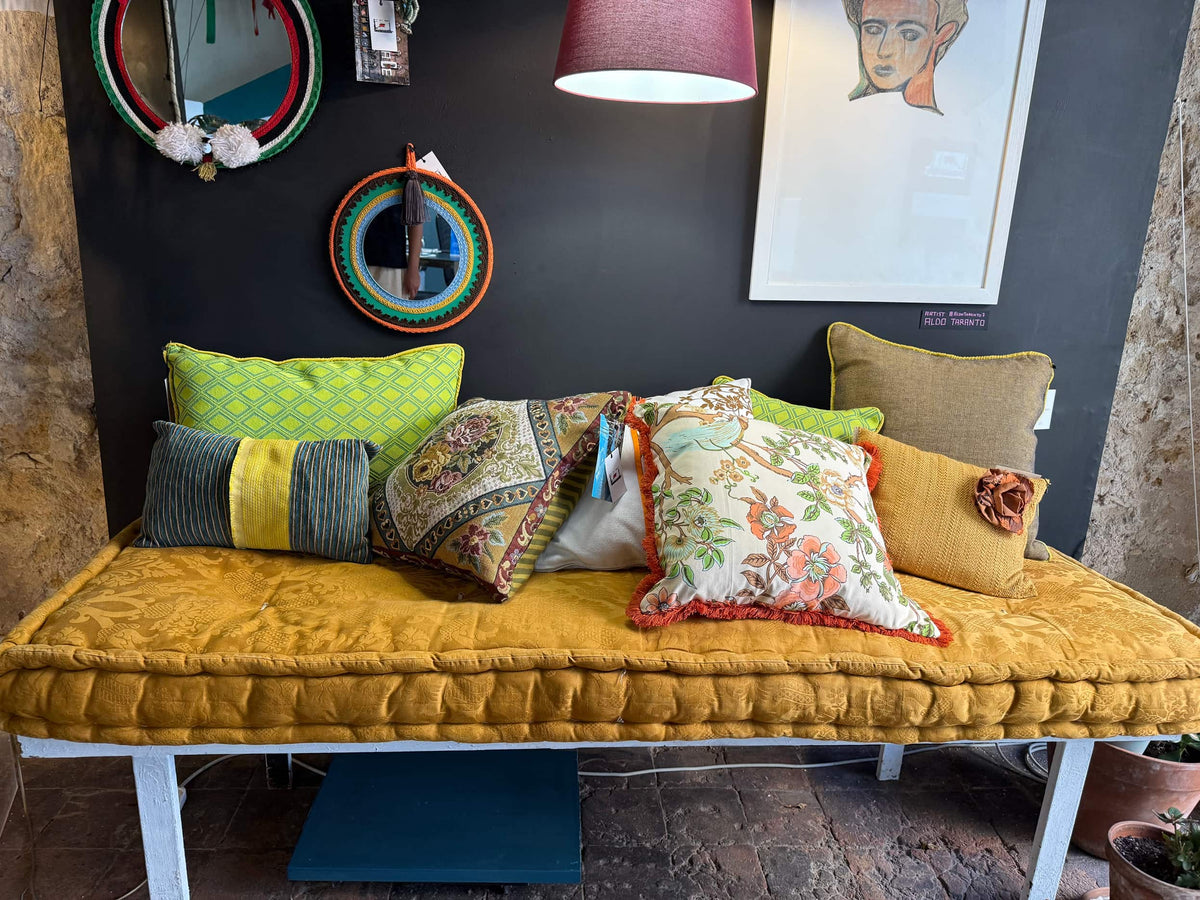
An object becomes singular through material, process, and the hand that shapes it, each detail adding meaning and value.
Coming Soon
Our First Collection Launches This Winter
Meet our Artisans
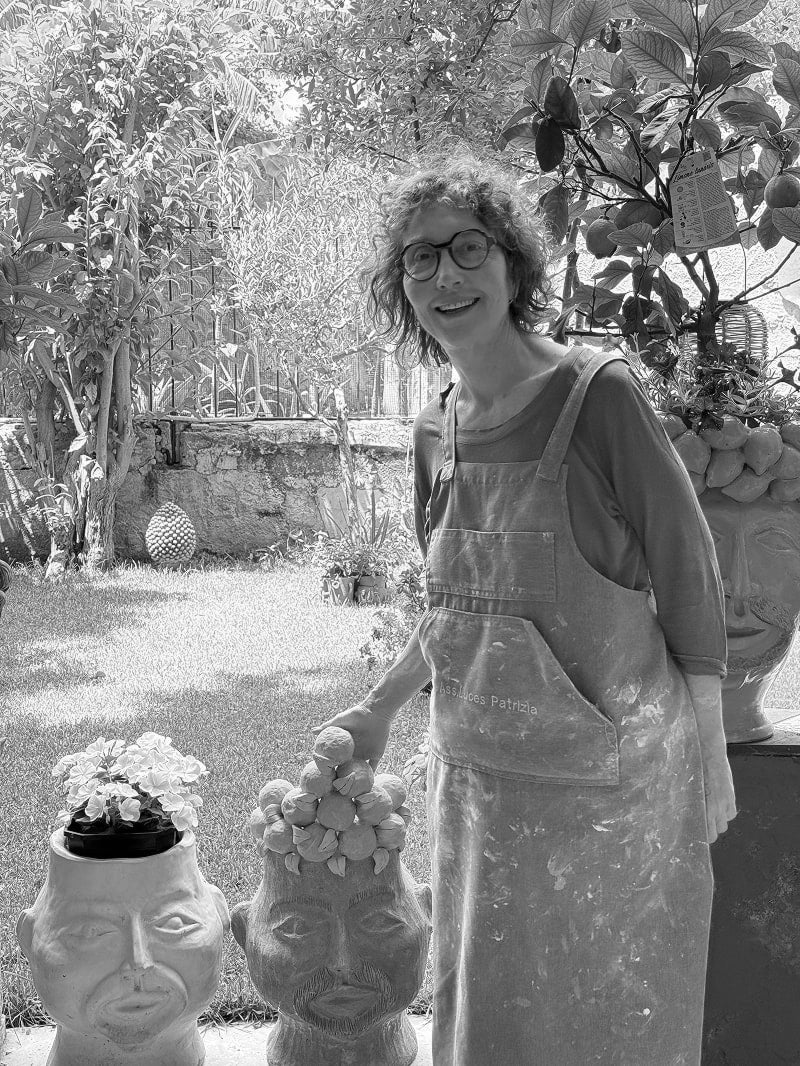
Ceramist, Palermo
Patrizia Italiano
Patrizia Italiano has worked entirely by hand since 1977, and is still driven by a running dialogue between her heart, her island, and contemporary design. She's best known for her reinvention of the Teste di Moro, Sicily's iconic Moor's Head, simplified and given an unique, ironic character.
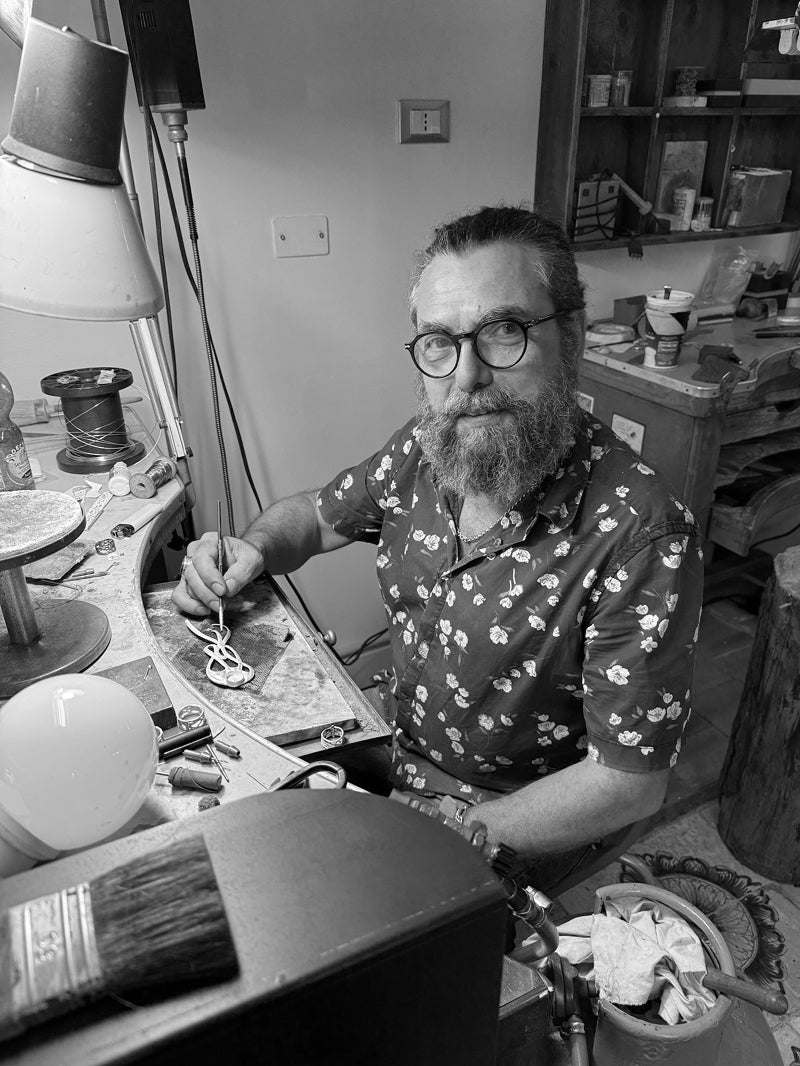
Goldsmith, Palermo
Roberto Intorre
Roberto Intorre trained as an architect before becoming a goldsmith, and that structural eye still shapes every piece from his Palermo atelier. He draws directly from Sicily itself, the prickly pear's structure becomes a net-like pattern in his hands. His Gocce di Magma collection now represents Sicilian identity at the British Museum.
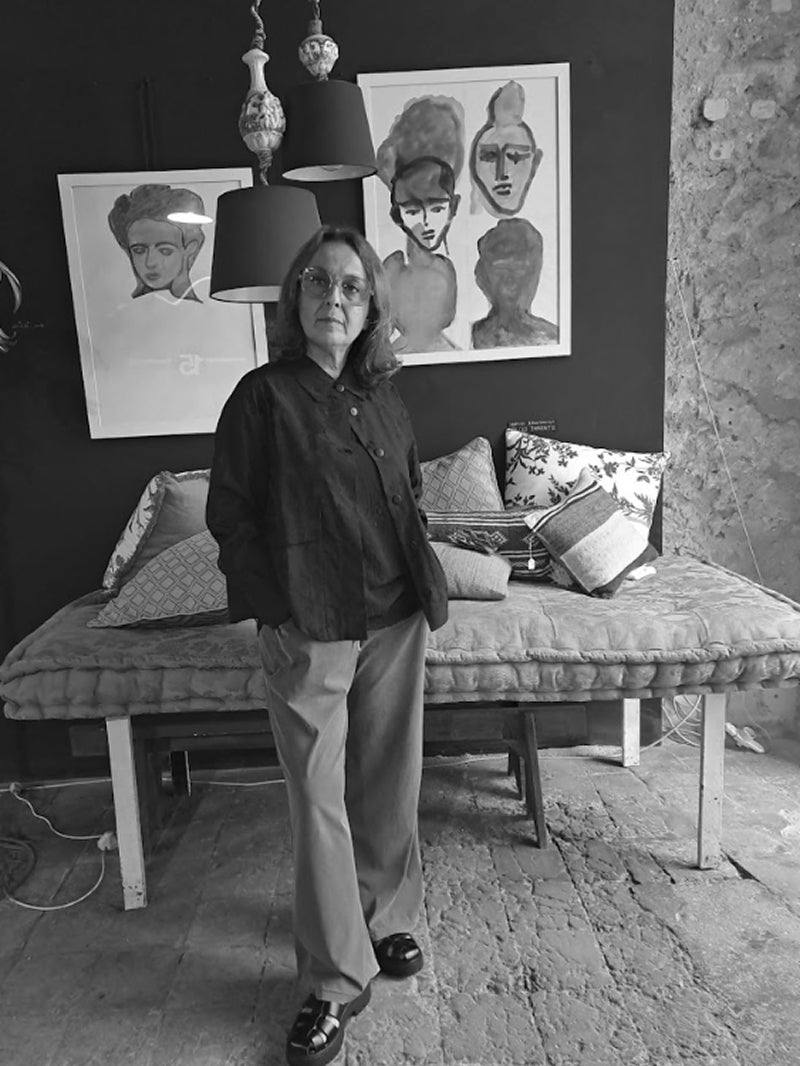
Design Lab, Ortigia
Scenapparente
Scenapparente has spent twenty-five years turning scenography into a way of life — costumes, props, restyled interiors, all built on instinct. Rafaella Piccione and Mela Salemi run it today alongside her brother Andrea Piccione, a fashion designer, guided by the same instinct that started it all: creativity, feeling, and the pride of being un'artigiana.
Ceramists, Caltagirone
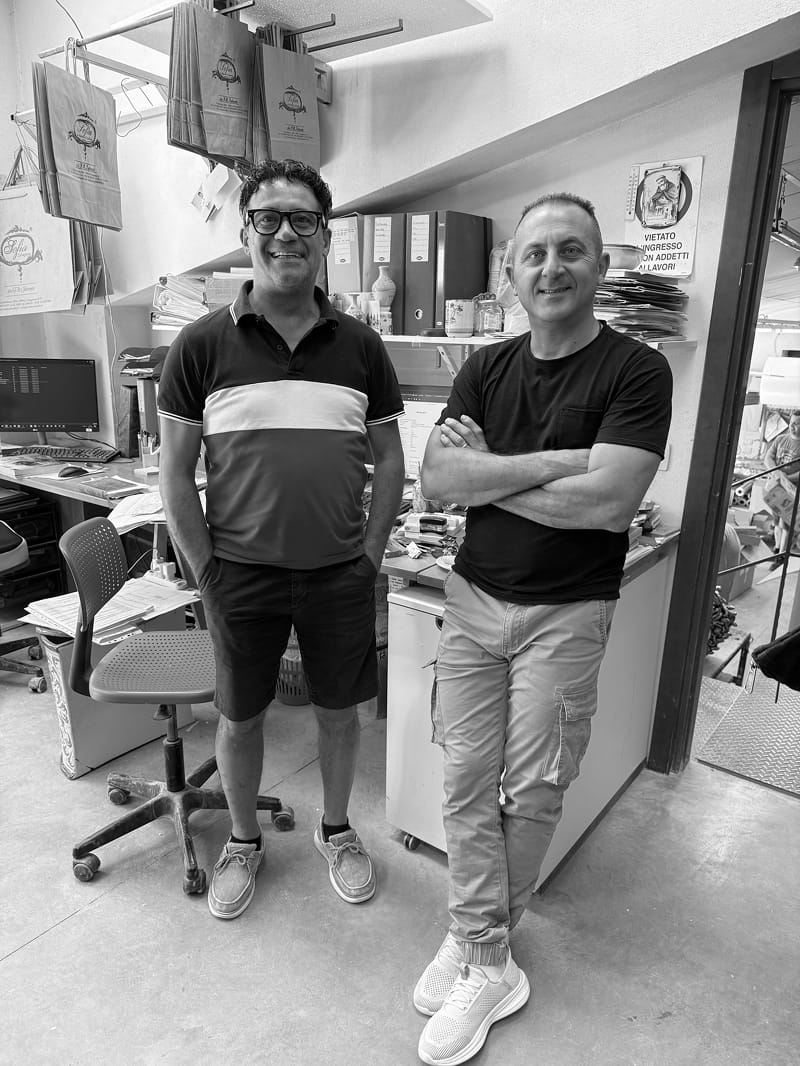
Sofia Ceramiche
Giuseppe and Nicola Intonato founded Sofia Ceramiche in Caltagirone, the Sicilian town where majolica has been fired for a thousand years, and they carry that tradition forward with rare authority. Their hand-modeled, hand-painted Teste di Moro, now an emblem of Sicilian homes, have reached Dolce & Gabbana's New York store. Twenty artisans, family at the heart, and every piece shaped, painted, and fired in Caltagirone.
Needlework Artist, Ragusa Ibla
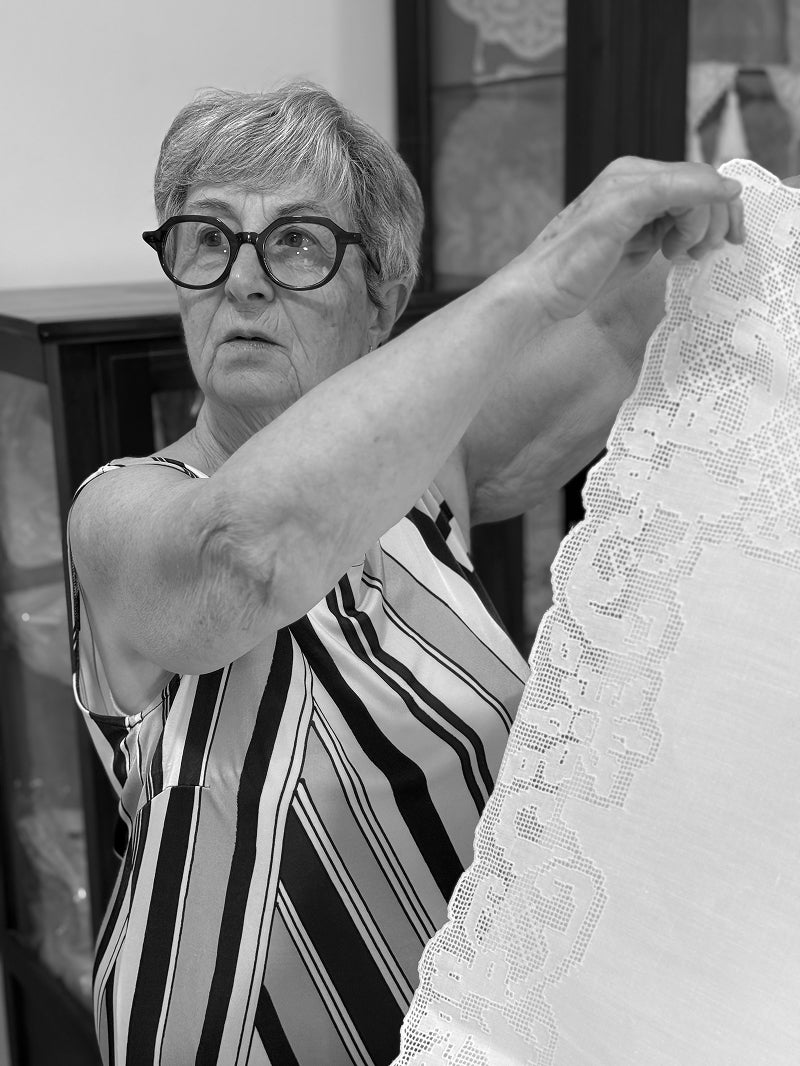
Maria Guastella
Maria Guastella built her own laboratory by hand: “I wanted a laboratory of my own, and I did it,” she says. Her technique, Sfilato Siciliano, traces back to the court of Frederick II, and she still works it the old way, drawing threads from pure linen to form the lace. Her hope now is a school, so the craft carries on with the next generation of girls.
Jewelry Designer, Ragusa Ibla
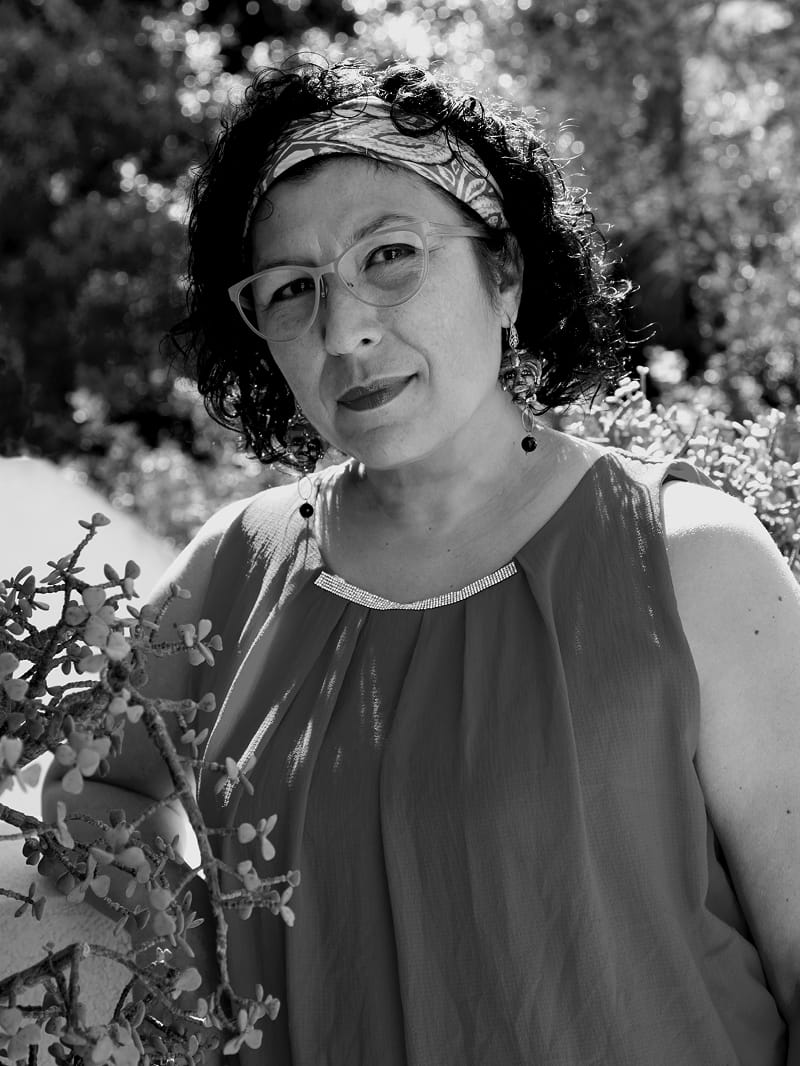
Baroccoro Jewels
Marinella Stornello spent twenty-five years behind a camera before opening BaroccOro Jewels in Ragusa Ibla in 2011, where she hand-paints ceramics and sets them with Etna lava and semi-precious stones. Her daughter Marika now runs the business while Marinella guides the art. Each piece is fired three times, the last pass fixing a gold luster that never wears off.
Accessory Designer, Ragusa Ibla
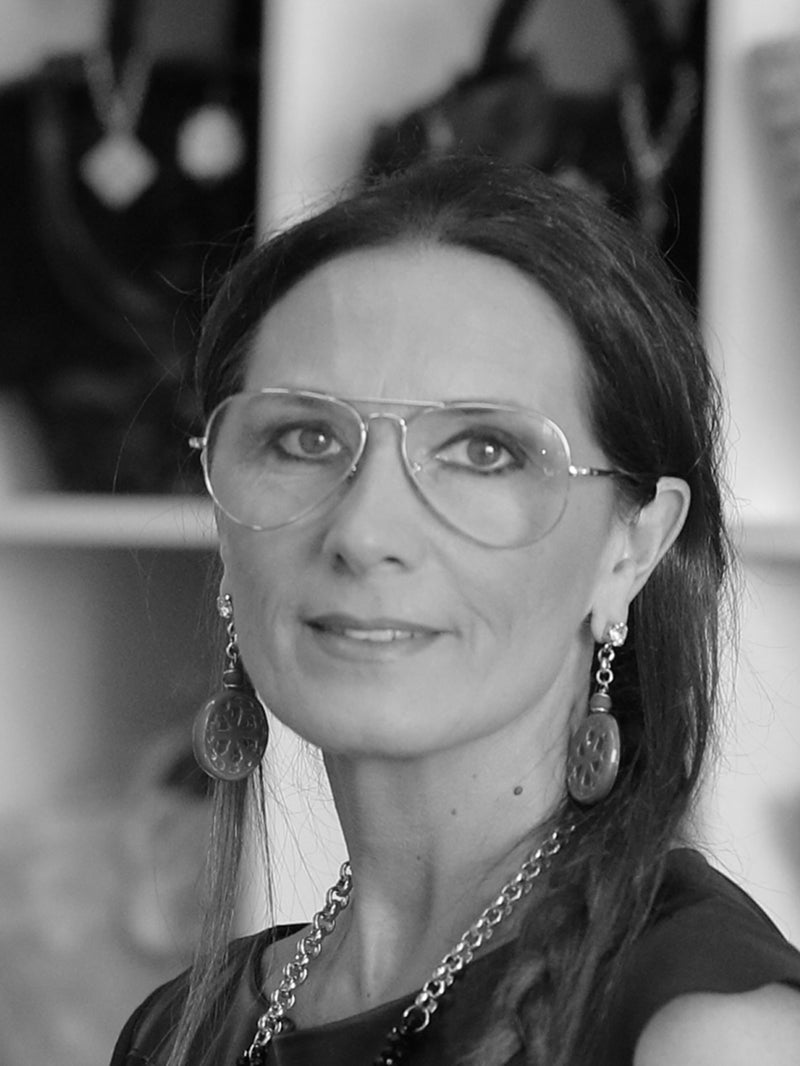
DANIÉ Made in Sicily
Daniela Napolitano trained as a goldsmith in Florence before turning to the coffa, the woven palm-leaf basket Sicilian farmers carried for centuries. Through Danié Made in Sicily, founded in 2018, she reimagines it with lace, trimmings, and hand-painted Caltagirone ceramics inspired by Sicilian legends like the Teste di Moro and Arethusa. Every bag arrives with a certificate telling its story.
Hand-Weaving Atelier, Perugia
Giuditta Brozzetti
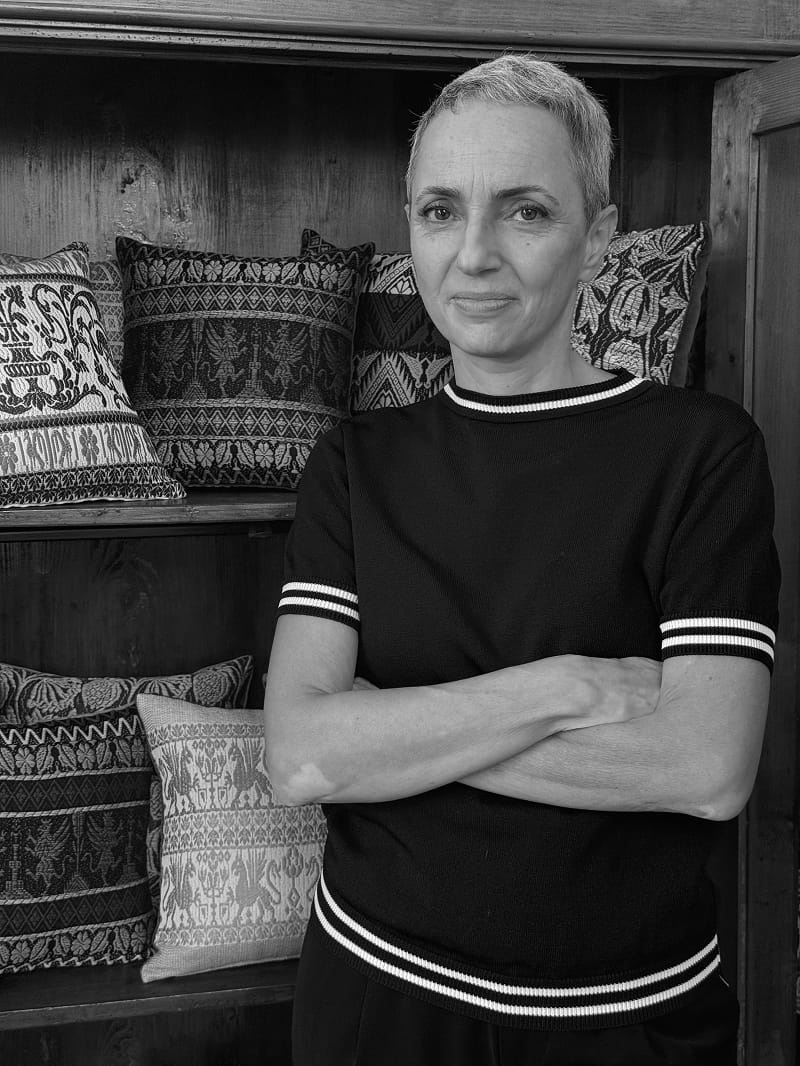
Marta Cucchia is the fourth generation to carry on Giuditta Brozzetti's atelier, founded in 1921 and now housed in Perugia's oldest Franciscan church. Trained in architecture, she learned the historic looms herself and relaunched the workshop in 1995. Today she leads a team of weavers recreating Umbria's medieval and Renaissance textiles on looms more than two centuries old.
About Siculi
SICULI is a world of discovery rooted in Sicily, shaped by the artisans we meet, the objects they create, and the place that influences each piece.
We enter their workshops, watch craft take shape, and credit each artisan by name. Alongside what we discover, we create ornamental collections with the same respect for skill, material, and process.
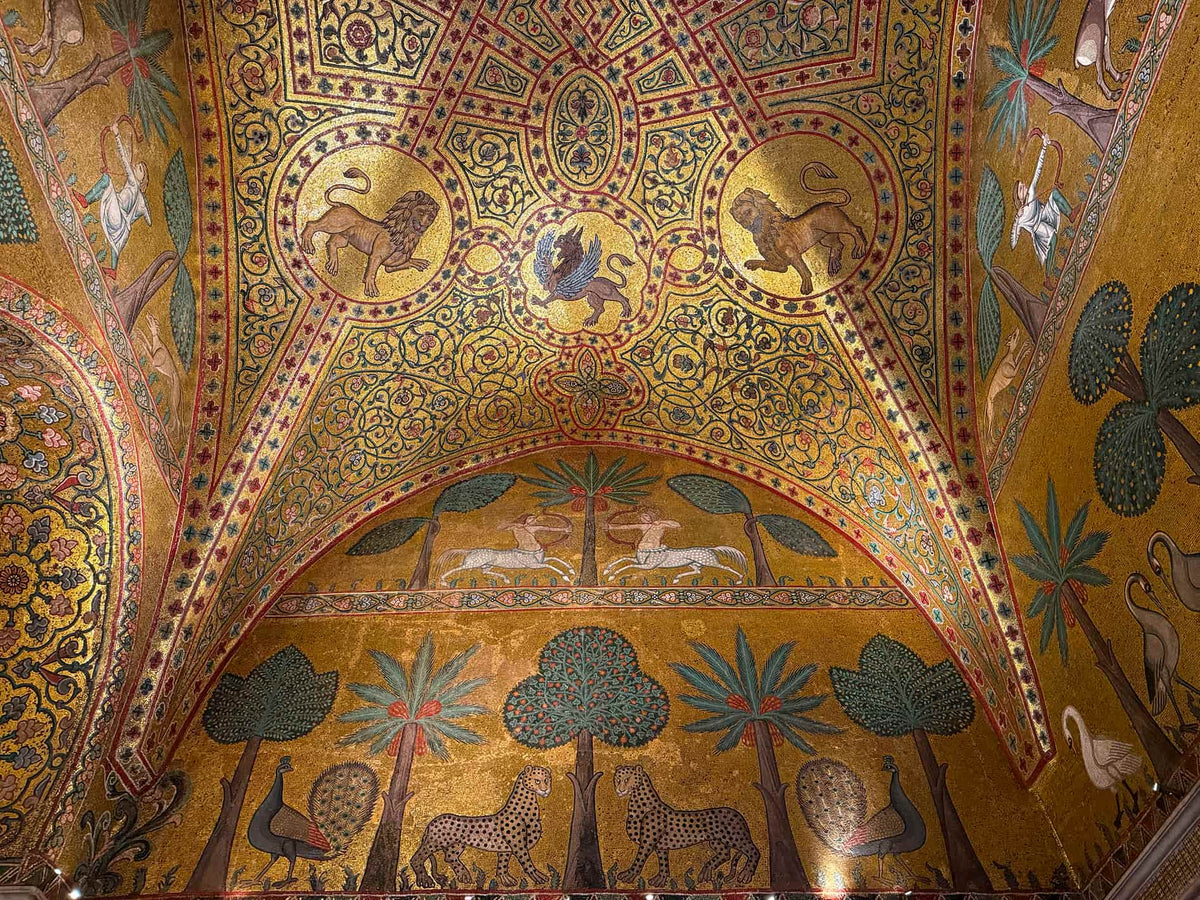
Before the six civilizations that shaped Sicily were the Siculi, the people this brand is named for. Then came Greek, Roman, Byzantine, Arab, Norman, and Spanish influence, still visible in mosaics, architecture, ornament, metalwork, and ceramics. That layered history and beauty continue to guide SICULI’s design today.
SICULI keeps each artisan’s authorship visible, sharing their story alongside the work.